
2004 Bishop Drive
San Ramon, CA 94583

The Importance of Parasite Screening for Pets
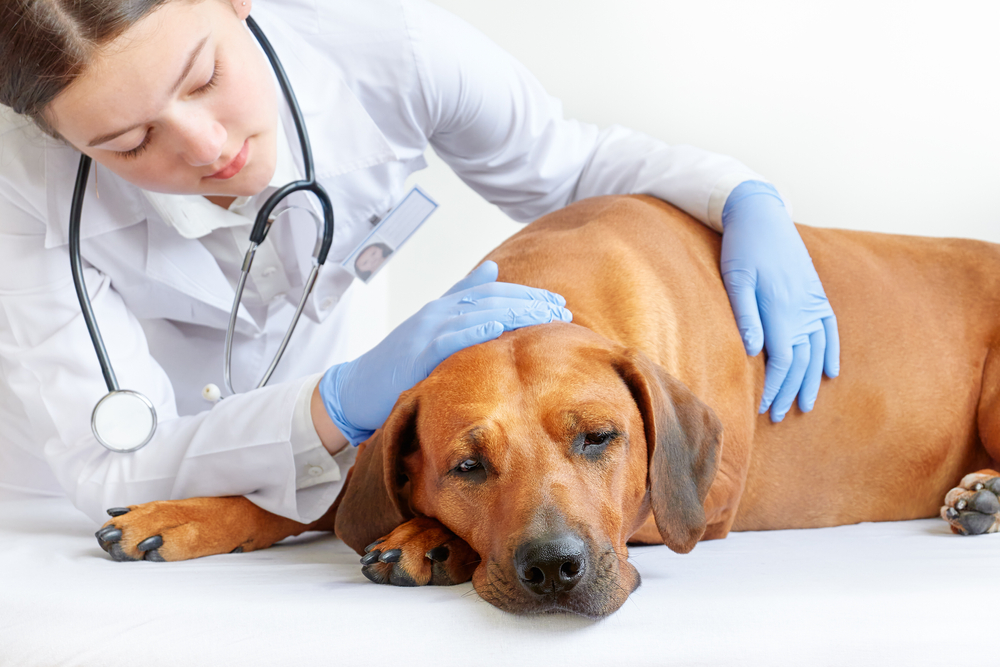
Parasites are a silent threat to pet health. Many pets infected with parasites show few or no symptoms, yet these organisms can cause serious health issues if left undetected. Routine parasite screening is one of the most effective ways to protect pets from preventable illness and long-term complications.
Common Types of Parasites in Pets
Pets can be affected by a variety of internal parasites, many of which are difficult to detect without proper screening. Some of the most common parasites include:
• Roundworms: Roundworms are one of the most frequently diagnosed parasites, especially in puppies and kittens. They live in the intestines and can cause bloating, diarrhea, vomiting, and poor growth. Pets can become infected through contaminated soil, feces, or from their mother.
• Hookworms: Hookworms attach to the intestinal lining and feed on blood, which can lead to anemia, weakness, and weight loss. These parasites are particularly dangerous for young or small pets and can be transmitted through ingestion or skin contact.
• Whipworms: Whipworms reside in the large intestine and may cause chronic diarrhea, weight loss, and dehydration. Because they shed eggs intermittently, they can be harder to detect without routine parasite screening.
• Tapeworms: Tapeworms are commonly transmitted through fleas or by ingesting infected prey. While pets may not always show symptoms, tapeworms can cause digestive discomfort and visible segments near the rear or in stool.
• Giardia: Giardia is a microscopic protozoan parasite that affects the intestines and often causes soft stools or diarrhea. Pets can become infected by drinking contaminated water or through contact with infected animals.
• Coccidia: Coccidia are another type of microscopic parasite that commonly affect puppies and kittens. Infections can cause diarrhea, dehydration, and abdominal discomfort, especially in young or immunocompromised pets.
Because many of these parasites do not cause immediate or obvious symptoms, regular parasite screening is essential for early detection and effective treatment.
Why Parasites Are a Serious Concern
Internal parasites such as worms and protozoa live inside a pet’s body, often in the digestive tract, where they steal nutrients and disrupt normal bodily functions. Over time, parasites can lead to:
• Chronic diarrhea or vomiting
• Weight loss or failure to thrive
• Anemia and fatigue
• Abdominal discomfort
• Compromised immune function
Some parasites can also spread to other pets - and in certain cases, to humans - making early detection especially important.
How Parasite Screening Protects Long-Term Health
Routine screening plays a key role in preventive veterinary care by:
• Catching infections early
• Allowing prompt, targeted treatment
• Preventing chronic digestive and nutritional issues
• Supporting growth and development in puppies and kittens
• Reducing reinfection and environmental contamination
In active communities like San Ramon, where pets frequently visit parks, trails, boarding facilities, and groomers, regular screening is especially important.
Schedule Parasite Screening in San Ramon, CA
Parasite screening is a vital part of responsible pet care. Because parasites often go unnoticed until they cause serious problems, routine testing helps safeguard your pet’s health before complications arise. Prioritizing regular parasite screening allows pet owners to stay ahead of hidden threats and ensure their pets live healthier, more comfortable lives.
If your pet is due for testing or you want peace of mind about their health, Pet Affordable Lab Services is here to help. Contact us for reliable parasite screening in San Ramon, CA, and take an important step toward protecting your pet’s well-being. Visit our website to schedule a test today.
Quick Links


Keep
In Touch
© 2026 Pet Affordable Lab Services (PALS). All rights Reserved - Accessibility Statement - Privacy Policy - Sitemap
Powered by
